A Bartholin’s cyst is a fluid-filled swelling that develops near the opening of the vagina. It is one of the more common gynaecological conditions affecting women of reproductive age, and in most cases it is benign and manageable. However, when a cyst becomes infected, it can develop into a painful Bartholin’s abscess that requires prompt treatment.
This article explains what Bartholin’s cysts and abscesses are, how they are diagnosed and treated, and when you should see a gynaecologist.
What Is the Bartholin’s Gland?
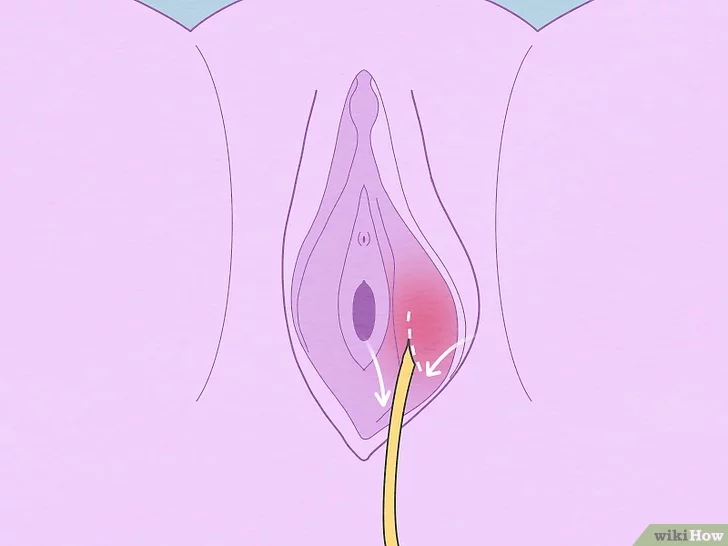
The Bartholin’s glands are two small glands located on either side of the vaginal opening, typically at the 4 o’clock and 8 o’clock positions. Each gland is approximately the size of a pea and is not normally visible or felt. Their function is to secrete a small amount of fluid that helps lubricate the vaginal opening, particularly during sexual arousal.
Each gland drains through a short duct into the vaginal opening. When one of these ducts becomes blocked, fluid produced by the gland has nowhere to go. It accumulates and forms a cyst.
What Causes a Bartholin’s Cyst?
A Bartholin’s cyst develops when the duct of the Bartholin’s gland becomes obstructed. The blockage may occur due to:
- Inflammation or swelling following a minor infection
- Thickened mucus blocking the duct opening
- Injury or irritation to the vaginal area
- A sexually transmitted infection such as chlamydia or gonorrhoea, which can cause inflammation in the duct
In many cases, no specific cause is identified. The obstruction simply prevents fluid from draining, and a cyst forms gradually. Most Bartholin’s cysts are not caused by an active infection at the time they are first noticed.
Symptoms of a Bartholin’s Cyst
Small Bartholin’s cysts are often discovered incidentally during a routine gynaecological examination. When symptoms do occur, they typically include:
- A soft, painless or mildly tender lump on one side of the vaginal opening
- A sensation of fullness or pressure in the perineal area
- Discomfort during sexual intercourse or prolonged sitting
- Visible swelling on one side of the vulva
Cysts are usually round, smooth, and range in size from a pea to a large grape. They are most commonly located on one side only, as cysts affecting both glands simultaneously are uncommon.
When Does a Bartholin’s Cyst Become an Abscess?
A Bartholin’s abscess forms when the fluid inside a Bartholin’s cyst becomes infected. Bacteria may enter through the duct or spread from surrounding tissue, causing rapid growth of the cyst and significant inflammation.
Unlike a cyst, a Bartholin’s abscess is typically:
- Acutely painful, often developing over 2 to 4 days
- Warm and tender to touch
- Visibly swollen and red around the vaginal opening
- Associated with difficulty walking, sitting, or engaging in sexual activity
- Occasionally accompanied by fever if the infection spreads
A Bartholin’s abscess constitutes a vulval abscess and is considered a perineal infection requiring treatment. Common bacteria involved include Escherichia coli (E. coli), Staphylococcus aureus, and in some cases sexually transmitted pathogens. If you develop sudden, severe swelling and pain near the vaginal opening, you should seek medical attention promptly.
How Is a Bartholin’s Cyst Diagnosed?
Diagnosis is usually made through a physical examination by a gynaecologist. The size, location, tenderness, and consistency of the lump provide sufficient information in most cases.
Your gynaecologist may also:
- Take a swab from the cyst or vaginal area to test for sexually transmitted infections
- Order blood tests if there are signs of systemic infection
- Recommend a biopsy if you are aged 40 or older, as Bartholin’s gland carcinoma, although rare, is more likely to be considered in this age group
Imaging such as ultrasound is not routinely required for straightforward Bartholin’s cysts but may be used if the diagnosis is uncertain or if deeper involvement is suspected.
Treatment Options for Bartholin’s Cysts and Abscesses
Treatment depends on the size of the cyst, whether it is infected, the severity of symptoms, and your clinical history.
Observation (Watchful Waiting)
Small Bartholin’s cysts that are not causing symptoms do not always require treatment. Your gynaecologist may advise monitoring the cyst to see whether it resolves on its own. Warm sitz baths (soaking the perineal area in warm water for 10 to 15 minutes, several times a day) may help encourage natural drainage in minor cases.
Incision and Drainage (I&D)
Incision and drainage is a procedure in which the gynaecologist makes a small cut in the cyst or abscess wall to release the accumulated fluid or pus. It provides rapid relief from pain and pressure and is particularly effective for acute Bartholin’s abscesses.
The procedure is performed under local anaesthesia, often as an outpatient or day surgery. Recovery is quick, though the main limitation of I&D alone is a higher rate of cyst recurrence, as the incision may seal over and the duct can become blocked again.
A Word catheter may be inserted after incision and drainage. This is a small balloon catheter placed inside the cyst cavity and left in position for approximately four to six weeks. The catheter keeps the opening patent, allowing a new duct lining to form and reducing the likelihood of recurrence.
Marsupialization
Marsupialization is the preferred surgical procedure for recurrent Bartholin’s cysts and abscesses, or when a more durable solution is needed. The name comes from the procedure’s resemblance to the pouch of a marsupial: the cyst wall is opened, the edges are sutured back to the surrounding skin, and a permanent new opening is created for ongoing drainage.
This technique:
- Prevents the duct from re-sealing and blocking again
- Significantly reduces the rate of cyst recurrence compared to incision and drainage alone
- Is performed under general or regional anaesthesia, typically as a day surgery procedure
- Involves a recovery period of one to two weeks, with most women returning to normal activities within two weeks
Marsupialization is a well-established procedure with a good long-term outcome for the majority of women.
Surgical Excision
Complete surgical removal of the Bartholin’s gland is rarely required. It may be considered for women who have experienced multiple recurrences despite marsupialization, or when a biopsy result indicates further investigation is needed. Excision is a more involved procedure and carries a higher risk of postoperative complications such as haematoma or scarring compared to marsupialization.
Recovery After Bartholin’s Cyst Treatment
Recovery depends on the procedure performed:
- After incision and drainage: most women feel significantly better within 24 to 48 hours. Some mild discomfort and discharge from the area is expected while the catheter (if placed) is in situ
- After marsupialization: the perineal area will be tender for one to two weeks. Keeping the area clean, taking prescribed pain relief, and avoiding sexual intercourse until the wound has healed are the key recommendations
- Regular warm sitz baths after surgery help keep the area clean and promote healing
Your gynaecologist will advise on follow-up, particularly to confirm the wound is healing well and the new duct opening remains patent.
Can a Bartholin’s Cyst Come Back?
Yes, recurrence is possible, particularly after incision and drainage alone. Studies suggest that recurrence rates after simple I&D without catheter placement can be significant. Marsupialization has a lower recurrence rate and is preferred when there is a history of previous episodes.
If you have experienced more than one Bartholin’s cyst or abscess, discuss a longer-term management plan with your gynaecologist.
When to See a Gynaecologist
You should arrange an appointment if you notice:
- A new lump or swelling near the vaginal opening, even if it is painless
- A lump that is growing or has changed in character
- Pain, redness, or warmth around the vaginal opening
- Difficulty walking, sitting, or during sexual intercourse
- Any fever accompanying perineal swelling
You should seek same-day or urgent care if you experience severe pain with rapid swelling, fever, or feel generally unwell alongside perineal symptoms, as this may indicate a Bartholin’s abscess requiring prompt drainage.
Women aged 40 and above who develop a new Bartholin’s cyst or gland swelling are advised to have it assessed, even if it appears mild, to exclude the rare possibility of a Bartholin’s gland tumour.
As part of your overall gynaecological health, routine pap smear and cancer screening is recommended for all women from age 25. A consultation with a female gynaecologist in Singapore can address both acute conditions like Bartholin’s cysts and your broader gynaecological health needs.